What Makes Mobile Esports a Game‑Changer?
When a 16‑year‑old in Jakarta streams a Mobile Legends match and attracts 12 k viewers in a single session, the ripple effect is immediate. Mobile esports has moved from niche tournaments to mainstream broadcasts, and the catalyst is the same thing that powers every viral clip: streaming apps that turn a phone into a broadcast studio.
How Do Streaming Apps Alter the Competitive Landscape?
First, latency is the enemy. Traditional PC tournaments rely on wired connections that can cut a few milliseconds. Mobile players, however, use 5G or Wi‑Fi 6, and apps like StreamX and GameCaster compress video to 1080p at 30fps while keeping ping under 30 ms. That means a clutch move in PUBG Mobile can be seen by a global audience almost instantly, reducing the advantage of “offline” practice.
Second, monetisation has shifted. Instead of ticket sales, streamers now earn through ad revenue, channel subscriptions, and micro‑donations. A top‑tier Call of Duty: Mobile player can generate £3.50 per minute during a live stream, which translates to over £2 000 in a three‑hour event. The revenue model encourages players to build personal brands, not just teams.
Third, analytics are now part of the game. Streaming platforms embed real‑time stats—kill‑deaths, accuracy, item builds—into the broadcast. Coaches can watch a live feed and adjust strategies on the fly. In 2023, the Mobile Legends World Championship used a built‑in analytics overlay that reduced post‑match analysis time from 45 minutes to 12.
What Are the Drawbacks for Professional Players?
The very features that empower players also introduce new pressures. High‑frequency streaming demands a stable power supply; a sudden 15‑second power cut can cost a team a match. Players in regions with unreliable electricity must invest in backup generators, adding a cost of roughly £250 per season.
Data privacy is another concern. Streaming apps collect biometric data—heart rate, skin temperature—to optimise performance. In 2024, a lawsuit in Singapore highlighted that a popular mobile esports app stored user data in a third‑country server without explicit consent, forcing the company to overhaul its privacy policy.
Finally, the monetisation split is uneven. While top streamers earn thousands, the majority earn less than £50 per stream. This disparity discourages mid‑tier players from investing in high‑quality gear, perpetuating a talent gap.
From the Field to the Living Room: A Natural Bridge
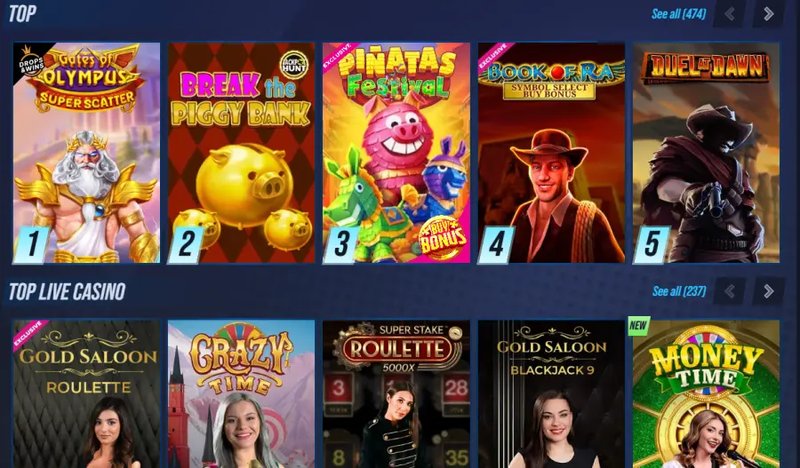
Just as a live stream brings the roar of a stadium into a bedroom, the same technology that powers mobile esports is reshaping how we consume entertainment. Whether you’re watching a pro Free Fire match or a casual gaming stream, the line between spectator and participant blurs. For fans craving more interactive experiences, sites like Vegashero offer a blend of live gaming and community engagement that mirrors the immediacy of mobile esports.
What Does the Future Hold?
Predictors say that by 2026, mobile esports viewership will hit 45 million monthly users worldwide. That growth hinges on three trends: 5G rollout, AI‑driven commentary, and cross‑platform tournaments that let PC and mobile players compete side‑by‑side. For developers, the challenge will be to create games that are both mobile‑friendly and competitive enough to sustain a professional scene.
In short, streaming apps have turned a handheld device into a stage. They’ve lowered entry barriers, introduced new revenue streams, and made competitive play more transparent. Yet they also bring technical demands, privacy issues, and income inequality. Navigating these waters will determine whether mobile esports remains a flash in the pan or a lasting pillar of the gaming industry.
Frequently Asked Questions
What drives the rapid growth of mobile esports?
The accessibility of smartphones, affordable streaming apps, and low barrier to entry let players worldwide compete and broadcast instantly.
How do streaming apps affect latency in mobile esports?
They use adaptive bitrate and edge servers to reduce lag, making real‑time play and viewer interaction smoother.
Can mobile esports match the prestige of PC tournaments?
While PC titles still dominate sponsorships, mobile leagues now attract millions of viewers, sponsors, and professional teams.
What are the key challenges for mobile esports?
Device fragmentation, inconsistent internet quality, and maintaining fair play across varied hardware remain top concerns.